

1. Introduction
With the global livestock industry shifting toward antibiotic-free, high-efficiency, and sustainable production, the demand for advanced feed additives has grown rapidly. Among these, compound feed acid has emerged as one of the most influential categories for improving gut health, enhancing feed efficiency, controlling harmful microorganisms, and stabilizing the digestive environment.
Compound feed acid (also known as compound acidifier) is not simply a single organic acid. Instead, it is a scientifically designed combination of multiple acids, acid salts, buffers, carriers, and sometimes functional enhancers such as medium-chain fatty acids (MCFAs), phytochemicals, or probiotics. This multi-acid strategy creates synergies that offer stronger and broader effects than individual acids alone.
Because compound feed acids are versatile, safe, and highly effective, they have become indispensable in feed formulations for swine, poultry, aquaculture, ruminants, and pets.
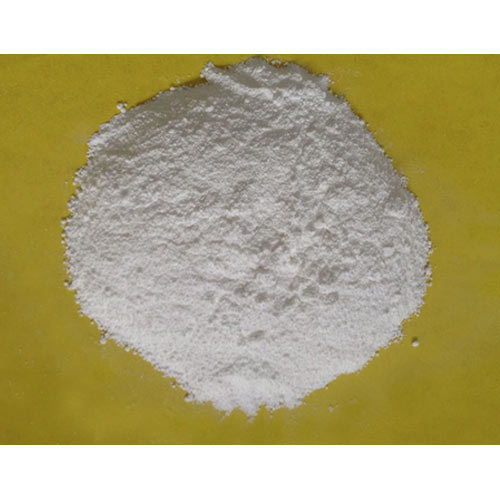
2. Definition of Compound Feed Acid
A compound feed acid is a blended additive consisting of two or more organic acids, inorganic acids, or acid salts, designed to:
- Lower feed and gastrointestinal pH
- Improve digestion and nutrient utilization
- Inhibit pathogenic bacteria and fungi
- Enhance gut health and intestinal morphology
- Preserve feed quality during storage
- Replace or reduce antibiotics
- Support immune function
Unlike single acids (such as pure formic acid or citric acid), compound feed acids:
- Act at multiple pH ranges
- Provide synergistic antimicrobial effects
- Are more palatable and less corrosive
- Offer better stability and slower release
- Can be tailored for specific species or production phases
3. Why Single Acids Are Not Enough
Single acids have limitations:
| Limitation | Description |
|---|---|
| Narrow pH effectiveness | One acid works strongly only at specific pH ranges. |
| Weak spectrum | Some acids only inhibit bacteria, others only mold. |
| High corrosiveness | Formic or propionic acid can damage equipment. |
| Volatility / odor | Strong smell reduces feed intake. |
| Low palatability | Animals may reject sour feed. |
Compound feed acids solve these problems by blending acids strategically to optimize performance.
4. Composition of Compound Feed Acids
A typical compound feed acid includes:
4.1 Organic Acids (Core Active Ingredients)
- Formic Acid: Strong antibacterial
- Citric Acid: Improves mineral absorption
- Fumaric Acid: Excellent for piglet digestion
- Lactic Acid: Gut microbiota support
- Malic Acid: Energy metabolism support
- Butyric Acid / Sodium Butyrate: Gut villi and mucosa development
- Propionic Acid: Mold prevention
- Benzoic Acid: Reduces ammonia & improves gut integrity
Organic acids provide the majority of biological effects.
4.2 Acid Salts (Buffered Acids)
Examples:
- Calcium formate
- Potassium diformate
- Sodium butyrate
- Calcium propionate
Advantages:
- Non-corrosive
- Less odor
- Controlled release
- Safer for feed mill machinery
These salts are especially important in large feed factories.
4.3 Inorganic Acids (Optional)
- Phosphoric acid
- Hydrochloric acid (rare in feed)
Used mainly to adjust pH economically.
4.4 Carriers and Anti-Caking Agents
To improve flowability:
- Silicon dioxide
- Zeolite
- Rice hull powder
4.5 Encapsulation or Coating Materials
For slow-release:
- Palm oil coating
- Stearic acid
- Lipid microcapsules
- Starch or polymer film
Encapsulation ensures acids act at the exact region of the digestive tract.
4.6 Optional Additives for Synergy
Some advanced compound feed acids include:
Medium-Chain Fatty Acids (MCFAs)
- Strong bactericidal effect
- Improve digestion and immunity
Essential Oils / Plant Extracts
- Oregano oil
- Thymol
- Cinnamon aldehyde
These improve gut flora and act as natural antimicrobial agents.
Probiotics or enzymes
- Bacillus strains
- Phytase
- NSP enzymes
These enhance nutrient breakdown and gut stability.
5. Mechanism of Action of Compound Feed Acids
Compound feed acids work through multiple complementary pathways:
5.1 pH Reduction in Feed and Stomach
Lowering pH:
- Activates digestive enzymes
- Increases protein and mineral absorption
- Reduces buffer capacity of feed
- Limits pathogenic growth
Compound acids adjust pH gradually across the entire digestive tract, not only in the stomach.
5.2 Inhibition of Pathogenic Microorganisms
Different acids target bacteria at different points:
- Formic acid – Salmonella, E. coli
- Propionic acid – mold & yeast
- Benzoic acid – gut pathogens and ammonia reduction
- Butyric acid – strengthens intestinal barrier
Blending extends antimicrobial activity from feed storage to the animal’s lower intestine.
5.3 Enhancing Gut Integrity and Villi Growth
Butyric acid and coated acids:
- Stimulate enterocyte growth
- Increase villus height
- Reduce crypt depth
- Strengthen tight-junction proteins
This improves nutrient absorption and reduces disease susceptibility.
5.4 Improved Enzyme Activity and Digestibility
Compound acids enhance:
- Pepsin activity
- Lipase efficiency
- Fat and protein digestion
Citric and malic acids chelate minerals, increasing availability.
5.5 Feed Hygiene and Preservation
Propionic acid + formic acid combinations:
- Prevent mold
- Reduce mycotoxins
- Improve feed safety
This is critical for humid regions like Indonesia, Vietnam, Thailand.
5.6 Reduction of Ammonia and Odor (Especially in Swine)
Benzoic acid and butyrate:
- Lower urinary pH
- Reduce ammonia emissions
- Improve air quality in barns
This contributes to lower stress and better growth.
6. Advantages of Compound Feed Acids
Compound feed acids outperform single acids significantly.
6.1 Synergistic Antimicrobial Effects
Multiple acids provide broad-spectrum control.
6.2 Better Gut Health
Improved balance of beneficial bacteria.
6.3 Stronger Buffer Capacity
Multi-acid blends maintain stable acidity across the digestive tract.
6.4 Improved Palatability
Buffered acids reduce sour taste.
6.5 Lower Corrosiveness
Protected formulas extend equipment lifespan.
6.6 Cost Efficiency
Targeted blends reduce overall acid usage.
6.7 Species-Specific Formulations
Different blends for pigs, poultry, shrimp, calves, etc.
7. Applications by Animal Species
7.1 Swine
Piglets
- Prevent post-weaning diarrhea
- Enhance digestive enzyme secretion
- Improve FCR by 3–10%
Grower–Finisher Pigs
- Reduce ammonia and odor
- Improve carcass yield
Sows
- Better calcium utilization
- Stronger milk production
7.2 Poultry
Benefits:
- Lower Salmonella and Campylobacter
- Improved bone mineralization
- Enhanced egg quality
- Better uniformity in broilers
Citric + formic + butyrate blends are common.
7.3 Ruminants
Compound acids are used for:
- Silage treatment
- Calf starter feeds
- TMR mold control
Propionic acid-based blends dominate.
7.4 Aquaculture
Fish and shrimp benefit from:
- Better phosphorus absorption
- Reduced Vibrio load
- Improved growth and survival
Common acids: citric, butyric, formic.
7.5 Pet Food
Benefits:
- Improved palatability
- Stable storage
- Healthier digestion
Encapsulated butyrates are popular.
8. Types of Compound Feed Acid Products
8.1 Multi-Acid Blends
Formic + lactic + citric + fumaric
Used for piglets and poultry.
8.2 Butyrate-Enhanced Acids
For gut development and immunity.
8.3 Mold-Control Acid Mixtures
Propionic + sorbic + formic
Used in humid climates.
8.4 Encapsulated Slow-Release Acids
For aquaculture and pet food.
8.5 Acid + Essential Oil Combinations
Natural, powerful antimicrobial performance.
9. Production Technology of Compound Feed Acids
9.1 Spray Granulation
Creates uniform particles with slow release.
9.2 Microencapsulation
Protects acids from early reaction and reduces odor.
9.3 Homogeneous Blending
Ensures consistency across batches.
9.4 Controlled Release Coating
Targets acid release in specific gut regions.
10. Quality Assurance and Standards
Compound feed acids should meet:
- GMP+
- FAMI-QS
- HACCP
- ISO 22000
- EU Feed Additive Regulations (EC 1831/2003)
Key indicators include:
- Acid content
- Moisture
- Particle uniformity
- Solubility
- pH-lowering capacity
11. Global Market Trends
The compound feed acid market is rapidly expanding due to:
- Ban of antibiotics as growth promoters
- Rising feed costs (need for better FCR)
- Higher demand for safe animal protein
- Increase in intensive farming
- Expansion in Asia-Pacific markets
Countries such as China, Vietnam, Indonesia, Thailand, Malaysia, India, and Brazil are the fastest-growing adopters.
12. Future Development of Compound Feed Acids
(1) Next-Generation Encapsulated Acids
Targeted release at the ileum and colon.
(2) Precision Nutrition Formulations
Species- and age-specific blends.
(3) Integration with Probiotics / Postbiotics
Greater synergistic effect.
(4) Green & Fermentation-Based Acids
Sustainable, eco-friendly production.
(5) Custom Blends for Feed Mills
Optimized for local ingredients and conditions.
13. Conclusion
Compound feed acid is a scientifically optimized blend of multiple organic acids, inorganic acids, acid salts, and functional enhancers designed to support animal digestion, suppress harmful bacteria, improve nutrient absorption, enhance gut health, and maintain feed quality. Compared with single acids, compound feed acids provide broader effects, higher safety, better palatability, and greater stability—making them essential tools in modern antibiotic-reduced livestock production.
As global farming transitions to healthier, more efficient, and environmentally friendly systems, compound feed acids will continue to grow in importance across swine, poultry, aquaculture, ruminants, and pet nutrition.