

pKa is one of the most important chemical properties of any acid — including food acids, feed acids, organic acids, and acidifiers used in animal nutrition.
Here is a clear and complete explanation:
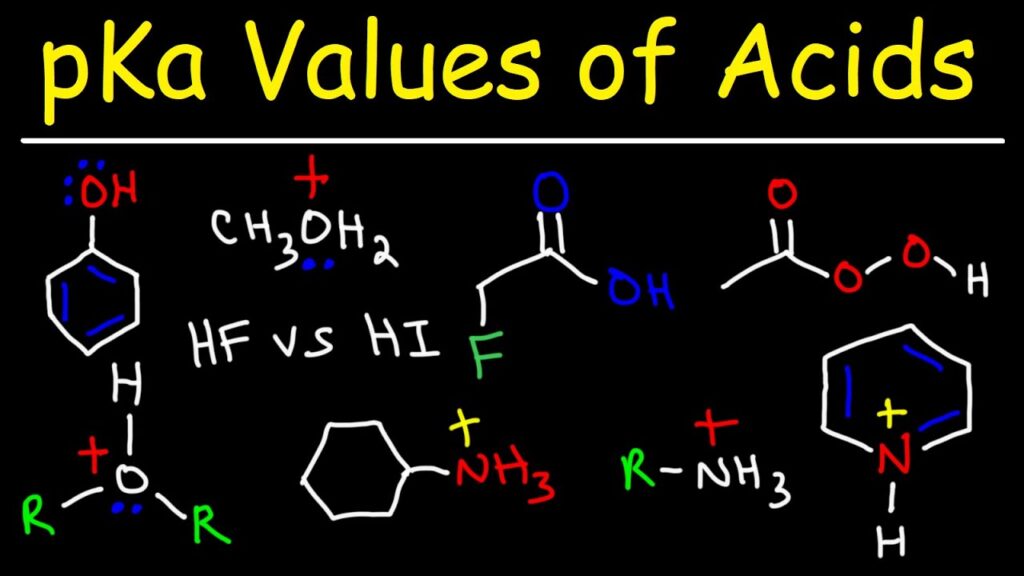
✅ What is pKa for an Acid?
pKa is the measure of acid strength.
More precisely:
pKa = the pH at which an acid is 50% dissociated (ionized) and 50% undissociated.
- Low pKa → Stronger acid (more dissociation)
- High pKa → Weaker acid (less dissociation)
It comes from the acid dissociation constant (Ka):
pKa = –log(Ka)
🌡️ Why pKa Is Important for Food and Feed Acids
pKa tells us where and how strongly the acid will work in the digestive system.
In feed acidifiers:
- Only undissociated acids can penetrate bacterial cell walls and kill pathogens.
- The amount of undissociated acid depends heavily on the pKa.
✔ An acid works best when:
pH of the environment < pKa
This means more of the acid remains undissociated = antimicrobial active form.
🐖 Example: Pig Stomach vs Intestine
Pig stomach pH = 2–4
- Acids with low pKa (<4) are very active
Examples:
- Formic acid (pKa 3.75) → very strong in the stomach
- Lactic acid (pKa 3.86)
Intestine pH = 5.5–7
- Acids with higher pKa retain more undissociated form → can work deeper in gut
Examples:
- Butyric acid (pKa 4.8)
- Propionic acid (pKa 4.87)
📊 Common Organic Acids and Their pKa Values
| Acid | pKa | Meaning |
|---|---|---|
| Formic acid | 3.75 | Very strong; great antibacterial effect in stomach |
| Lactic acid | 3.86 | Strong acid; active in stomach |
| Acetic acid | 4.76 | Weaker; partly active beyond stomach |
| Butyric acid | 4.82 | Works deeper in gut; gut health effects |
| Propionic acid | 4.87 | Antifungal; deeper gut activity |
| Citric acid | 3.13, 4.76, 6.40 | Multiple pKa values (triprotic acid) |
| Benzoic acid | 4.20 | Excellent antimicrobial acidifier |
| Fumaric acid | 3.03 | Strong; stable in pelleting |
🔬 Why pKa Matters in Designing Acidifiers
Effective feed acidifiers use acids with different pKa values to work in different parts of the digestive tract.
✔ Low pKa acids → Kill bacteria in stomach
(formic, fumaric, lactic)
✔ Moderate pKa acids → Work in intestine
(propionic, butyric)
✔ Multiple pKa acids → Provide buffering & functional benefits
(citric)
This is why modern compound acidifiers mix several acids with different pKas.
❗ Important: pKa ≠ pH
- pH measures acidity of a solution
- pKa measures acid dissociation strength (a constant property)
Example:
You can have an acid with high pKa (weak) but a low pH solution if concentrated.
⭐ Simple Explanation (Easy to Remember)
pKa tells you how “strong” an acid is — how easily it releases hydrogen ions.
Lower pKa = stronger acid = more active in low pH environments like the stomach.