

Acid Binding Capacity (ABC) is a key technical parameter used in feed additives, feed ingredients, and feed acidifiers.
It measures how much acid a material can “neutralize”.
This concept is extremely important in animal nutrition, especially for young animals like piglets and chicks.
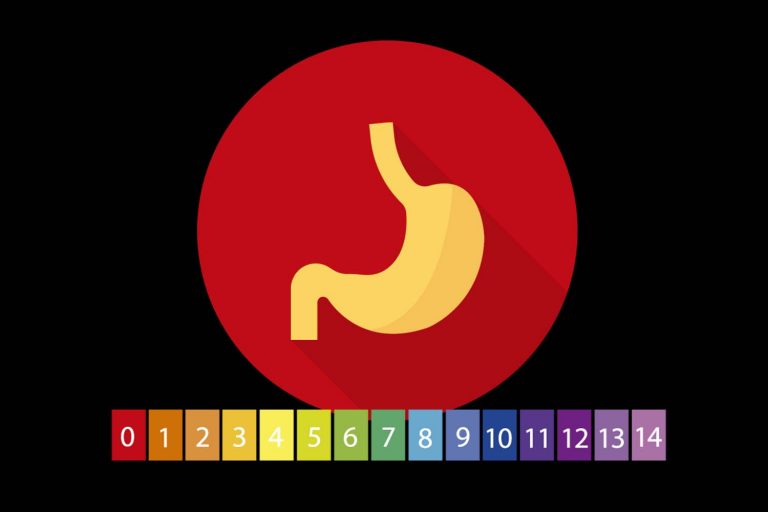
✅ What Is Acid Binding Capacity (ABC)?
Acid Binding Capacity (ABC) is the amount of acid (usually HCl) required to lower the pH of a feed ingredient or additive to a certain target pH (typically pH 3.0).
In simple terms:
It measures how strongly a feed or ingredient resists being acidified.
If a material neutralizes stomach acid, animals must produce extra gastric acid, which wastes energy and reduces digestion efficiency.
🔍 Technical Definition
ABC (Acid Binding Capacity)
The milliequivalents (mEq) of hydrochloric acid (HCl) required to bring 1 kg of feed (or ingredient) to pH 4 or pH 3.
Most common standard:
- ABC-4 → acid needed to lower pH to 4.0
- ABC-3 → acid needed to lower pH to 3.0
The lower the ABC, the more easily the stomach can acidify the feed.
🧪 Why ABC Matters in Animal Nutrition
Young animals (piglets, chicks) produce limited stomach acid.
So when they eat ingredients with a high ABC, the stomach takes longer to reach optimal low pH, causing:
- Poor digestion of protein
- Higher pH → more pathogenic bacteria (E. coli, Salmonella) survive
- Diarrhea
- Slower growth
Therefore:
✔ Low ABC = Better digestion
✔ Low ABC diet = Healthier gut
🐖 Example of ABC impact in Piglet Feeding
A piglet needs stomach pH <4 to digest protein and kill bacteria.
If ingredients like limestone, phosphates, carbonate minerals have very high ABC, they neutralize stomach acid.
The piglet must produce extra HCl, wasting metabolic energy.
Result: lower weight gain, higher diarrhea.
This is why modern diets reduce high-ABC minerals and use acidifiers.
📊 Typical ABC Values of Common Ingredients
| Ingredient | ABC-4 (mEq/kg) | Notes |
|---|---|---|
| Limestone (CaCO₃) | Very high (10,000–20,000) | Strong acid neutralizer |
| Dicalcium phosphate | High | Neutralizes acid |
| Soybean meal | Medium | |
| Corn / wheat | Low | Easy to acidify |
| Organic acids | Negative / very low | Reduce stomach pH |
| Butyric / formic acid | Strongly acidic | Improves digestion |
Feed acidifiers are used to reduce overall diet ABC.
🚀 How Acidifiers Help ABC
Acidifiers work because they:
- Lower the ABC of the entire feed
- Reduce the pH in the stomach
- Increase protein digestion
- Suppress pathogens
- Improve feed conversion ratio (FCR)
Compound acidifiers are designed specifically to reduce ABC efficiently.
🧮 Formula for ABC
A simplified technical formula:
ABC (mEq/kg) = (Volume of HCl used × Normality × 1000) / Sample weight (kg)
Laboratory test uses titration until the sample reaches target pH.
⭐ Summary (easy to remember)
Acid Binding Capacity (ABC) = How much acid a feed ingredient absorbs or neutralizes.
- High ABC → Bad for young animals, higher gastric pH
- Low ABC → Easy digestion, healthier gut
- Acidifiers reduce ABC and improve performance