

Food acids—sometimes called acidity regulators, pH control agents, or souring agents—refer to substances that increase the acidity of food or adjust its pH balance. They may occur naturally (e.g., citric acid in fruits) or be manufactured through fermentation or chemical synthesis.
In regulatory terminology, food acids belong to the E Number series (E200–E399), covering groups like acidity regulators, preservatives, antioxidants, and flavor enhancers.
Food acids serve three essential functions:
- Sensory function — providing sourness, brightness, and flavor balance
- Preservation — lowering pH to inhibit bacteria, molds, and yeasts
- Processing function — improving texture, gelling strength, buffering, and product stability
Because of these multidimensional roles, food acids appear in beverages, bakery products, dairy, meat processing, snacks, sauces, jams, confectionery, instant foods, canned goods, and many more categories.
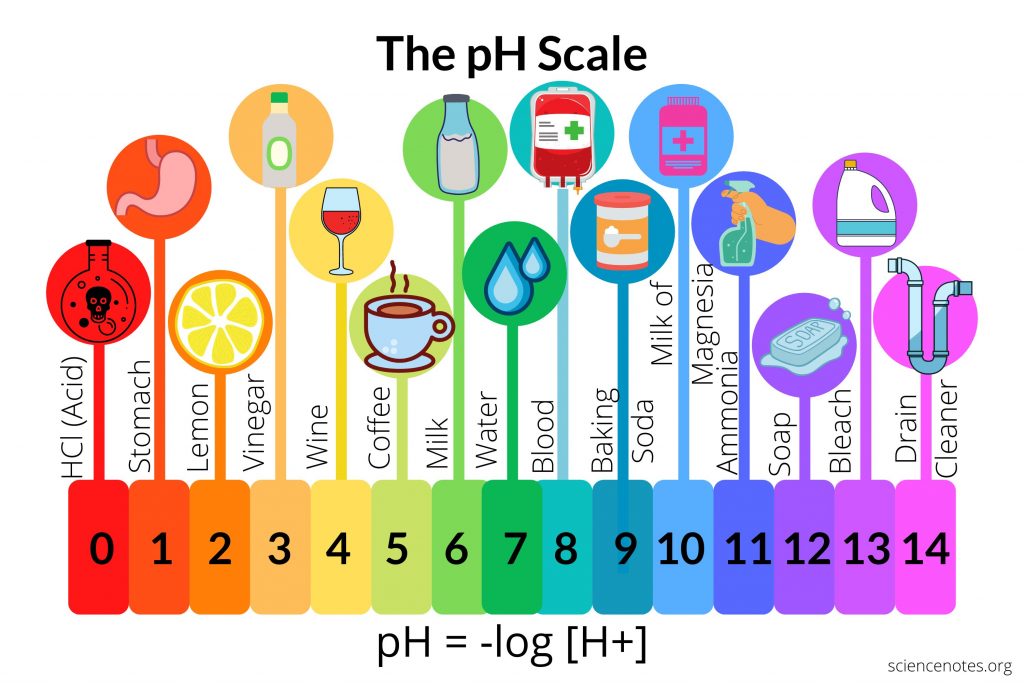
2. Major Types of Food Acids
Food acids can be classified in several ways: by chemical structure, origin, or primary function. The most practical approach is to categorize them by their industrial use.
2.1 Organic Food Acids
Organic acids are the most common food acids, usually derived from fermentation or natural extraction.
(1) Citric Acid (E330)
- The most widely used food acid globally
- Found naturally in citrus fruits
- Produced industrially through fermentation by Aspergillus niger
- Key functions: sour flavor, chelation, antioxidant synergy, buffering, pH control
- Applications: beverages, candies, sauces, bakery, canned fruits
(2) Lactic Acid (E270)
- Naturally produced in yogurt, pickles
- Industrial production through bacterial fermentation
- Mild acidity, strong antimicrobial properties
- Uses: dairy processing, pickles, meat preservation, beverages
(3) Malic Acid (E296)
- Known for a smooth, persistent sour taste
- Found in apples, cherries
- Used in beverages, sour candies, and fruit preparations
(4) Tartaric Acid (E334)
- Occurs naturally in grapes
- Used in baking powders (with sodium bicarbonate), wine, confectionery
(5) Fumaric Acid (E297)
- Strong acidity, low solubility
- Very economical; stable under heat
- Applications: instant drink powders, tortillas, bakery, gummies
(6) Acetic Acid (E260)
- The main component of vinegar
- Sharp taste, powerful preservation effect
- Uses: sauces, pickles, dressings
(7) Propionic Acid / Calcium Propionate (E280/E282)
- Mainly used in bread and bakery
- Prevents mold and rope bacteria
- Essential for shelf-life extension
(8) Benzoic Acid / Sodium Benzoate (E210/E211)
- Widely used preservative
- Effective in acidic beverages, sauces, soy sauce
(9) Sorbic Acid / Potassium Sorbate (E200/E202)
- Mold and yeast inhibitor
- Very safe, widely accepted globally
2.2 Inorganic Food Acids
Inorganic acids have essential processing roles, mostly for beverages and phosphated foods.
Phosphoric Acid (E338)
- Sharp, clean sourness
- A key ingredient in cola-type soft drinks
Hydrochloric Acid & Sulfuric Acid
- Not consumed directly
- Used in processing (e.g., pH adjustment)
- Must comply with food-grade purity standards
2.3 Acid Salts and Buffering Agents
These help maintain stable pH and influence texture.
Examples:
- Sodium citrate
- Calcium lactate
- Potassium tartrate
- Sodium acetate
- Sodium diacetate
- Potassium lactate
These salts exhibit buffering capacity, controlling acidity without adding strong sourness.
3. Functional Roles of Food Acids in the Food Industry
Food acids affect foods on the microbiological, chemical, physical, and sensory levels.
3.1 Flavor Enhancement and Sourness Control
Sour taste improves:
- Refreshing sensation in beverages
- Flavor balance in sweet products
- Freshness perception in fruit applications
Acids differ in sourness intensity and profile.
For example:
- Citric acid: bright, sharp
- Malic acid: lingering, smooth
- Tartaric acid: strong for candy
- Fumaric acid: very strong, cost-effective
3.2 pH Regulation
Controlling acidity is vital for:
- Food safety
- Color retention
- Gel stability (e.g., pectin needs pH < 3.5)
- Protein coagulation in cheese and meat
pH directly affects growth of pathogens like:
- Salmonella
- E. coli
- Listeria monocytogenes
3.3 Preservation and Antimicrobial Action
Lower pH inhibits spoilage microorganisms.
Some acids (like sorbic and propionic acids) directly disrupt microbial metabolism.
Applications include:
- Bakery mold prevention
- Pickles and sauces preservation
- Beverage stability
- Shelf-life extension
3.4 Texture and Structure Improvement
Certain acids affect gel formation or protein structure:
- Citric acid helps pectin gel
- Tartaric acid supports aeration in bakery powders
- Acidic conditions help form cheese curds
- Lactates increase water-holding capacity in meat
3.5 Color Stabilization
Acids prevent oxidation and browning:
- In fruit juices
- In canned vegetables
- In ready-to-drink beverages
- In jams and jellies
4. Industrial Applications of Food Acids
4.1 Beverage Industry
Beverages are the largest global consumer of food acids.
Common uses:
- Citric acid for citrus taste
- Phosphoric acid for cola
- Malic acid for energy drinks
- Lactic acid for fermented beverages
- Ascorbic acid for antioxidant protection
Applications include:
- Soft drinks
- Energy drinks
- Fruit juices
- Flavored waters
- Sports beverages
4.2 Bakery Industry
Key acids used:
- Calcium propionate (mold inhibitor)
- Sodium acid pyrophosphate (leavening agent)
- Fumaric & malic acids for pH adjustment
Functions:
- Extend shelf life
- Improve dough stability
- Enhance yeast activity
4.3 Confectionery
Used to balance sweetness and deliver sour impact.
Acids involved:
- Malic acid
- Citric acid
- Tartaric acid
- Fumaric acid
They provide flavor differentiation in sour candies, gummies, jellies.
4.4 Meat and Seafood Processing
Key applications:
- Lactic acid sprays (pathogen control)
- Potassium lactate (water retention, preservation)
- Acetates (antimicrobial action)
- Citrates (chelating metal ions, reducing oxidation)
4.5 Dairy Industry
Acids play a role in:
- Yogurt fermentation
- Cheese coagulation
- Flavor balancing
- pH stabilization
4.6 Canned Foods, Sauces, and Condiments
Acids maintain preservation and prevent spoilage.
Examples:
- Acetic acid for pickles
- Citric acid for tomato products
- Benzoate for sauces
- Sorbate for dressings
4.7 Instant Foods and Snacks
Functions include:
- Flavor enhancement
- pH control
- Anti-mold properties
- Antioxidation
5. Production Methods of Food Acids
Food acids are produced using several industrial methods.
5.1 Fermentation
Used for citric acid, lactic acid, malic acid, gluconic acid.
Advantages:
- Natural
- Sustainable
- High purity
5.2 Chemical Synthesis
Used for fumaric acid, tartaric acid, acetic acid, phosphoric acid.
Advantages:
- Cost-effective
- Large output
- Stable quality
5.3 Extraction
Some acids can be extracted from natural materials:
- Tartaric acid (grape by-products)
- Malic acid (some fruits, though mostly synthesized)
6. Safety and Regulatory Compliance
Food acids must meet strict global food safety standards, including:
- Codex Alimentarius
- FDA (U.S.)
- EFSA (Europe)
- GB standards (China)
- JECFA evaluations
Most food acids are classified as GRAS (Generally Recognized as Safe).
Regulations specify:
- Purity requirements
- Permitted uses
- Maximum permitted levels
- Labeling guidelines
For example:
- Benzoate levels in beverages are typically limited to 0.1%
- Sorbate levels vary by product type
- Citric acid has no limit (quantum satis) in most applications
Conclusion
Food acids are essential components of modern food manufacturing. They enhance flavor, preserve freshness, stabilize pH, improve texture, and extend shelf life. From beverages and bakery to dairy and meat processing, their role spans across nearly all food categories.
With consumer demand shifting toward natural, safe, and high-quality ingredients, the global food acid industry will continue evolving—emphasizing fermentation, natural sources, and cleaner labels.